A to Z Nutrients
A B C D E F G H I J K L M N O P R S T U V W Y
E
|
|
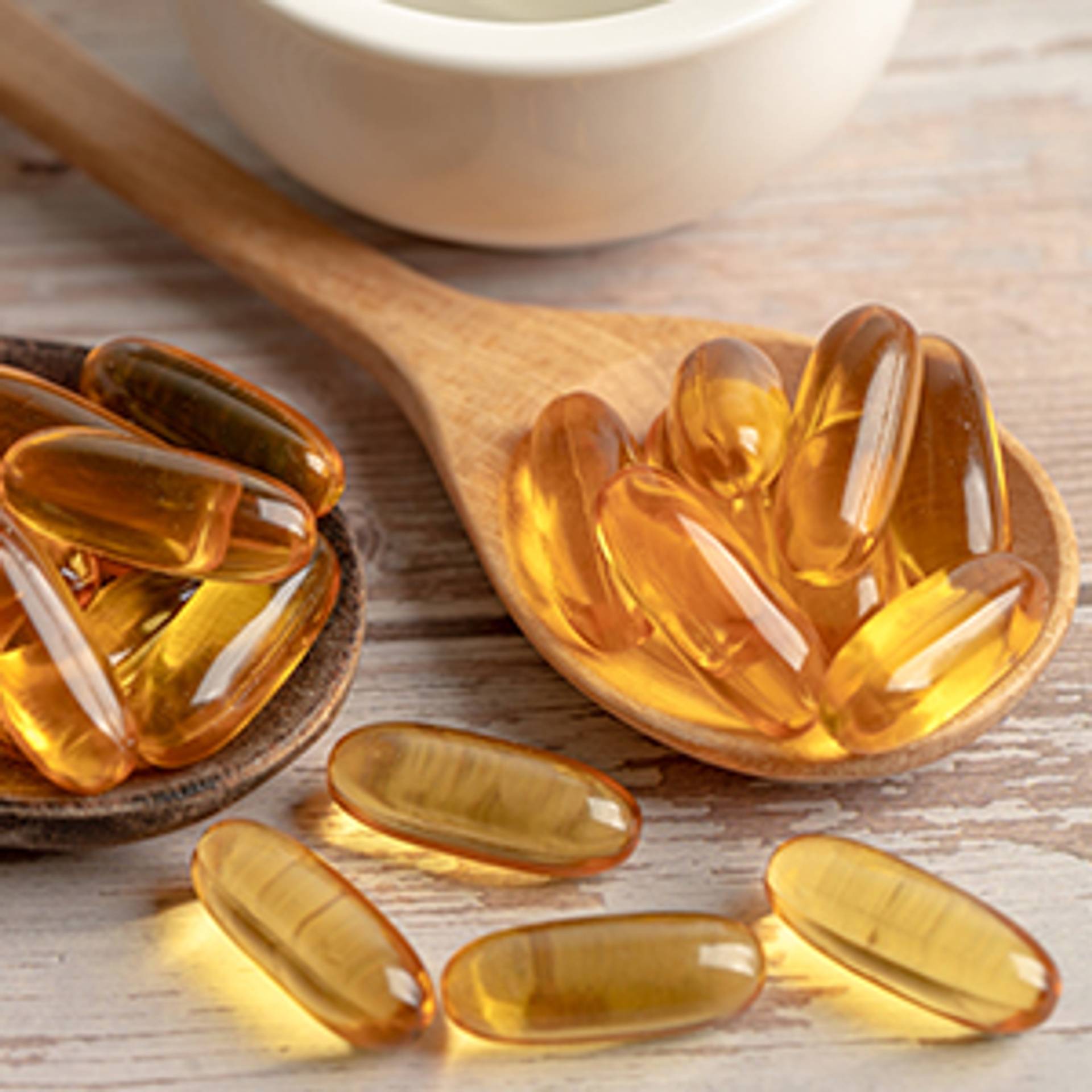
Vitamin E is
the primary antioxidant that protects fat-soluble vitamins and essential
fatty acids in the cells from oxidative damage. It inhibits coagulation
of blood by preventing blood clots and is essential in cellular respiration.
Signs of deficiency include the rupture of red blood cells, muscular wasting,
or abnormal fat deposits in muscles.
Vitamin E is found in every cell of the body
becoming localized in the cell membrane. There it prevents free radicals
from damaging the cell walls. It also prevents cancer, cataracts, and
cardiovascular disease. It improves circulation, aids in healing wounds
and repairing tissue. It is useful in treating fibrosistic breasts and
premenstrual syndrome. Vitamin E protects the structure and function of
muscle tissue, Vitamin A, carotene, fatty acids, the pituitary gland,
the adrenal gland, capillaries, red blood cells, and sex hormones. It
can prevent sterility in males. Vitamin E protects the lungs and blood
cells from ozone.
Vitamin E complex can contain alpha, beta, gamma
tocopherols, and tocotrienols. Synthetic E (dl-alpha) has been shown to
be as much as 50% less effective than the natural form(D-alpha). There
is no upper limit of toxicity for vitamin E, however, if a person is on
blood thinning drugs, then vitamin E can make the drugs more effective.
It is very important to have your doctor adjust the drug dosage accordingly.
Also, it is recommended to avoid vitamin E two weeks prior to surgery.
Post surgically it is an aid in healing and the reduction of scar tissue.
Recommended amounts (to avoid deficiency disease,
not for optimal health): Infants: 4-6 IU; Children: 7-12 IU;
Men: 15 IU; Women: 12 IU. Vitamin E is essentially nontoxic; daily
doses of 4000-30,000 IU for prolonged periods have produced side
effects in some people.
Echinacea, also
called "purple coneflower" and "Missouri snakeroot",
is indigenous to North America, found mainly in the prairies west of the
Mississippi River. Long a favored medicinal herb of the Native American
Indian, Echinacea was widely used by early medical doctors. It had fallen
into dis-use when Dr. Vogel of BioForce fame rediscovered it in the 1950's.
Now over 40 pharmaceutical Echinacea preparations are registered for use
by European physicians, and the bulk of modern research has originated
from Europe. The two main varieties, Echinacea augustifolium and Echinacea
purpurea, have similar properties.
Echinacea, an alterative herb, is described as
the most effective blood and lymphatic cleanser in the botanical kingdom.
Alteratives are blood purifiers that gradually and favorably alter the
condition of the body, and are used in treating toxicity of the blood,
infections, arthritis, cancer and skin eruptions. Alteratives also help
the body to assimilate nutrients and eliminate waste products of metabolism.
Echinacea is used to neutralize acid conditions in the blood associated
with a stagnation of lymphatic fluids.
Echinacea promotes the production of white blood
cells. It also acts as a stimulant, increasing body energy, driving the
circulation, breaking up obstructions and warming the body. In times past,
Echinacea has been used for treating gangrene, blood poisoning and all
chronic and acute bacterial and viral infections, as well as syphilis,
gonorrhea, and vaginal infections. Echinacea has also been reported to
have given relief in cases of boils, gout, cerebro-spinal meningitis,
diphtheria and ulcers. Nowadays many people report it helps prevent and
treat colds and flus. It seems to be tolerated in large amounts and is
easily eliminated.
Egg Yolk Lecithin containing a special ratio of 7:2:1 of 7 parts neutral lipids, 2 parts Phosphatidyl Choline, and 1 part Phosphatidyl ethanolamine (approximately 6 percent to 7 percent) has demonstrated remarkable effect as a fluidizer of the cell membrane. As cells age the membrane becomes stiff and viruses can intrude into the cell. People using EYL have shown remarkable increases in their abilities to fight off infection. A good source of further information is the Aids Treatment News. John S. James. P.O. Box 411256, San Francisco, CA 94141.
Elder Flower (Sambucus canadensis) Diaphoretic, anti-catarrhal, diuretic, expectorant. For upper respiratory infections, colds, flu, hayfever, sinusitis, fevers.
Elecampane Root (Inula helenium) Expectorant; diaphoretic; anti-bacterial; antitussive; stomachic; for irritating bronchial coughs, bronchitis, emphysema, asthma and bronchitic asthma.
Eyebright (Euphrasia officinalis) Anti-catarrhal, astringent, anti-inflammatory. Internally for sinusitis, nasal congestion, eye inflammations. Leaf infusion used as an external wash for sore, inflamed eyes. (top)